 Do you struggle with slow manual packing or messy product waste? These problems hurt your profits and slow down your growth. I have seen many businesses fail because they could not scale up.
I define sachet packaging machines as automatic tools that turn a roll of film into small, sealed pouches. They measure, fill, and seal products like powders or liquids very quickly. I believe these machines are the best way for your business to save time and money.
I want to help you understand how this technology can change your factory. Please keep reading to learn about the types, uses, and benefits of these amazing machines.
How does a horizontal sachet packaging machine operate?
Are you losing money because of inaccurate filling or poor seal quality? Manual packing often leads to human error and wasted materials. I have helped many clients who were tired of seeing their expensive products end up on the floor.
I have found that horizontal sachet machines work by pulling film from a roll and folding it into a "U" shape. The machine then seals the sides, fills the pouch with product, and seals the top. I see this process as a perfect cycle that ensures every bag is identical.
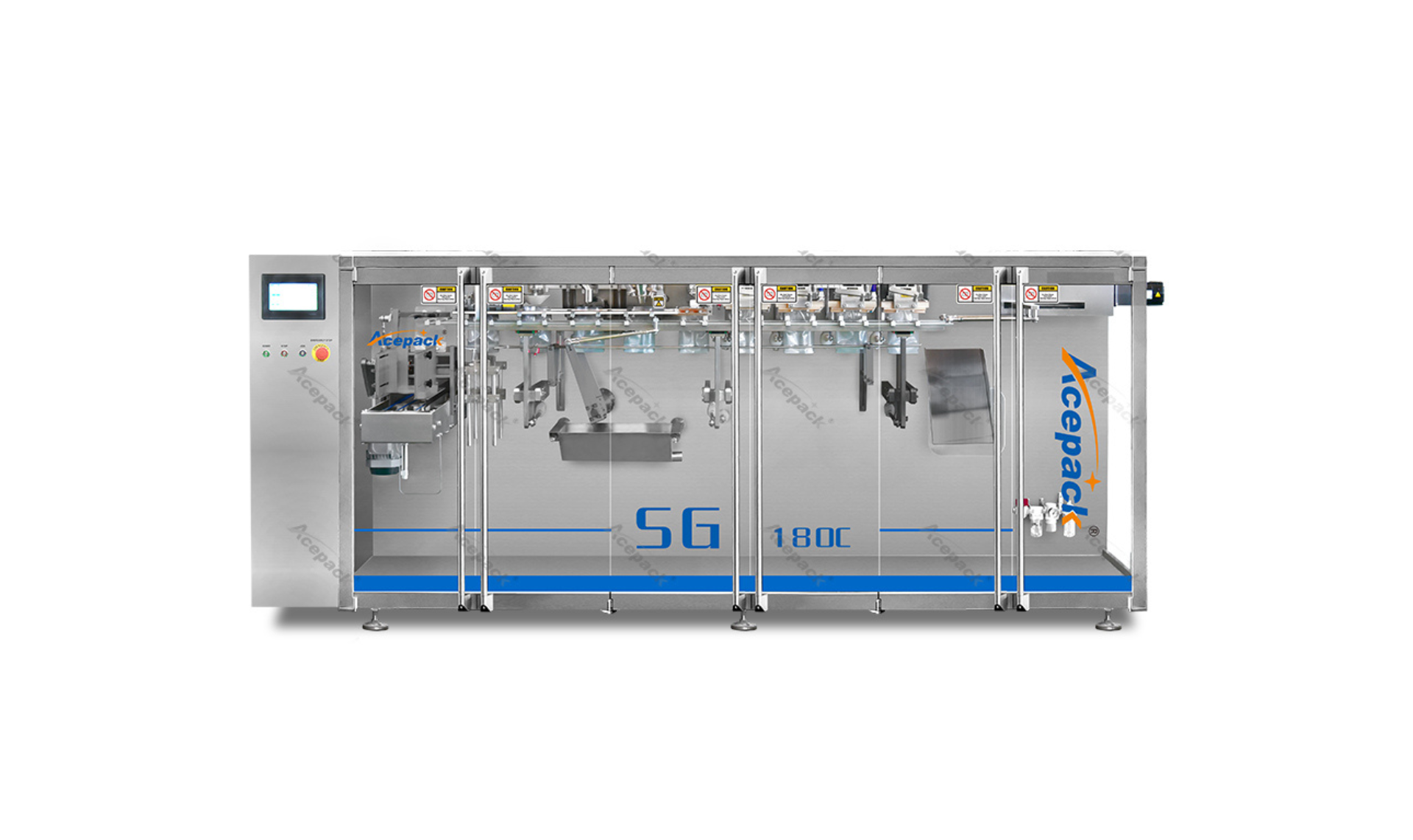 I remember visiting a factory where they packed spice powders by hand. It was a dusty mess, and every bag had a different weight. When we installed our horizontal sachet machine, the transformation was like night and day. The machine starts with a roll of film. It uses a series of rollers to keep the film tight. This is important because loose film leads to bad seals. The film is folded to create the bottom of the sachet.
Once the film is folded, the machine uses heat to seal the vertical sides. This creates a pocket. I like to explain this as making a small envelope. After the sides are sealed, the sachet moves to the filling station. Here, a pump or a screw filler drops the exact amount of product into the bag. Because the machine is fully automatic, it does not get tired or make mistakes.
After filling, the top of the bag is sealed with heat. Finally, a sharp blade cuts the sachet away from the rest of the film. The finished product then slides down a ramp, ready for the box. I have observed that this horizontal flow is very stable. It allows the machine to run for hours without stopping.
Technical Data for S-Series Machines
The table below shows the technical specs for our standard sachet machines.
Model | Pouch Size Max (mm) | Filling Capacity | Speed (ppm) | Power (kw) |
S-110 | 110 x 130 | 60ml | 40-80 | 3.8 |
S-130 | 140 x 225 | 260ml | 40-80 | 4.8 |
S-180 | 180 x 225 | 400ml | 40-80 | 4.8 |
S-240 | 240 x 320 | 1000ml | 30-60 | 5.9 |
Why Horizontal is Better Than Vertical
Many people ask me why they should choose a horizontal machine over a vertical one. I always say it comes from the stability of the bag. In a horizontal machine, the bag is supported from the bottom as it moves. This means you can fill it with more product without the bag breaking. Also, the seals are much cleaner. If you want your product to look professional on a store shelf, horizontal is the way to go. It gives you a flat, smooth finish that customers love.
What are the common types of sachet packaging equipment?
Do you feel limited by standard bag shapes that look just like your competitors? Using the same boring packaging makes it hard for your brand to stand out. I know how frustrating it is to have a great product that no one notices.
I categorized sachet machines into four main types: standard flat sachets, twin-link bags, zipper sachets, and spout sachets. I believe choosing the right type depends on how your customer will use the product. For example, a zipper bag is best for snacks that people eat slowly.
I once worked with a coffee brand that wanted to sell "twin packs" of coffee and creamer. They were trying to tape two bags together by hand! I showed them our twin-link machine. It makes two sachets that are joined together with a perforated line. The customer can just tear them apart. It was a simple fix that saved them thousands of dollars in labor costs.
Another popular type is the zipper sachet. We use a special device to seal a plastic zipper onto the film before the bag is made. This is great for products like dried fruits or protein powders. It allows the user to close the bag again after opening. It keeps the food fresh for longer. I always tell my clients that a zipper is a small cost that adds huge value for the user.
We also make machines for spout sachets. These bags have a plastic cap, just like a bottle. They are perfect for liquid soap or baby food. The spout is inserted into the bag and sealed tight. It is a very technical process, but our machines handle it easily. If you want to replace heavy plastic bottles with light pouches, this is the machine you need.
Comparison of Sachet Features
This table helps you compare the capabilities of different sachet styles.
Sachet Type | Model Example | Key Feature | Best Product Use |
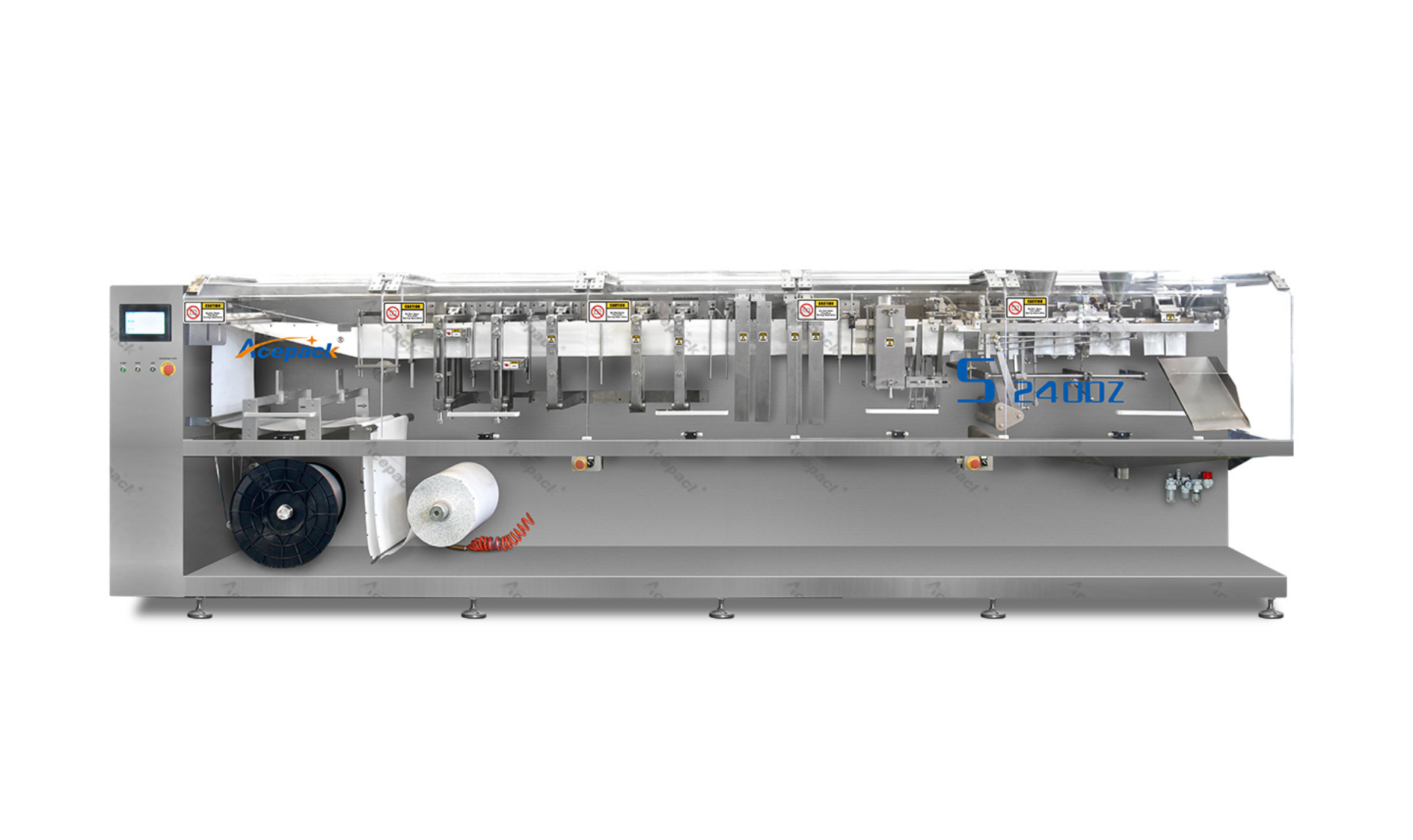
Zipper Pouch | S-240Z | Re-sealable | Snacks, Powders |
Top Spout | S-180C | Easy Pouring | Liquids, Sauces |
Twin Link | S-180T | Two-in-one | Coffee + Sugar |
High Speed | HS-360Q | Maximum Output | Fast-moving goods |
Understanding Specialized Shapes
Sometimes, a square bag is not enough. I have seen brands use heart-shaped or bottle-shaped sachets to catch the eye of children. Our special-shaped sachet machines use custom molds to cut the film into any shape you want. While these machines are more complex, they offer the best marketing advantage. If your bag looks unique, people will pick it up. It is that simple. I always encourage my clients to think outside the box when it comes to shape.
Which industries use automatic sachet packing for their products?
Are you worried about keeping your products safe from air, moisture, or germs? If your packaging fails, your product will spoil, and you will lose your customers' trust. I have seen many companies suffer because their packing was not airtight.
I see sachet machines being used in four big industries: food, medicine, chemicals, and health products. I believe any industry that sells small amounts of product can benefit from these machines. They provide a high level of hygiene and a very strong seal that protects the contents.
I have spent a lot of time in pharmaceutical factories. There, cleanliness is the most important thing. Our machines are made of stainless steel, which is easy to wash and does not rust. We pack things like pills, capsules, and medicinal powders. Because the process is fully automatic, no human hands touch the medicine. This keeps it sterile and safe for the patient. I am proud that our machines help keep people healthy.
In the food industry, we work with some of the biggest names in the world. Think about the small ketchup packets you get at a fast-food restaurant. Or the 3-in-1 coffee sachets in your hotel room. These are all made on machines like ours. We pack dairy products like milk powder and cheese, and even pet food. The speed of our machines allows food companies to produce millions of units every month.
The daily chemical industry also uses sachets for shampoo, laundry detergent, and face masks. I remember a client who switched from bottles to sachets for their hair conditioner. They saved so much money on shipping because sachets are lighter and take up less space. It was a smart move for their wallet and for the environment.
Industries and Their Typical Products
Here is a list of what our machines usually pack for different sectors.
Industry | Typical Products | Pouch Requirement |
Pharmaceutical | Pills, Granules, Liquid Medicine | High Hygiene, Precise Dose |
Food & Dairy | Milk Powder, Condiments, Candy | Freshness Seal, Food Grade |
Daily Chemical | Shampoo, Detergent, Cosmetics | Leak-proof, Strong Barrier |
Health Care | Vitamins, Protein Powder | Easy to Open, Re-sealable |
The Rise of Health and Wellness
Lately, I have noticed a huge jump in the "health" sector. People want to take their vitamins or protein shakes on the go. Small sachets are perfect for this "active" lifestyle. We pack many dietary supplements into single-use pouches. These are easy to carry in a gym bag or a pocket. I believe this trend will only grow, and sachet machines are at the heart of it. If you are in the health business, you need to offer your customers this convenience.
What are the technical benefits of high-speed sachet solutions?
Is your current machine too slow to meet the demands of your big customers? When you can't keep up with orders, you lose business to faster competitors. I know the stress of having a warehouse full of orders and a machine that is lagging behind.
I define high-speed sachet solutions as machines that can pack up to 320 bags per minute. I believe the main benefit is the massive increase in production without needing more workers. These machines use advanced servo motors to ensure every movement is perfectly timed and accurate.
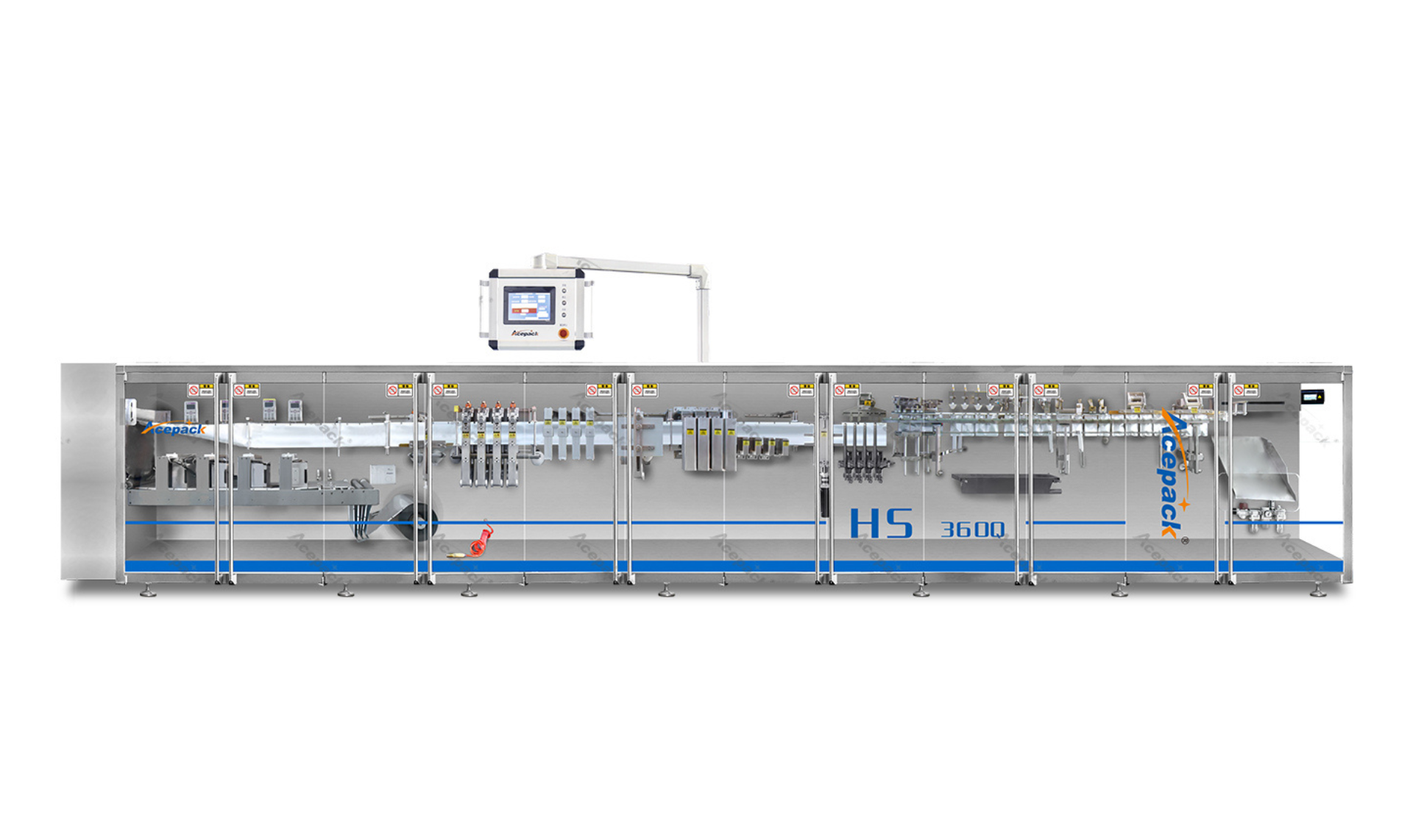 I remember a client who was using three old machines to pack sugar. They were loud, slow, and broke down every week. I suggested they replace all three with just one of our HS-3600 high-speed models. They were worried at first, but soon they saw the results. The new machine produced more sugar bags than the three old ones combined! Plus, it used less electricity and took up half the space.
The technical secret behind this speed is the "servo motor." Unlike old mechanical gears, a servo motor is controlled by a computer. It can stop and start in a fraction of a second. This means the machine can pull the film, fill the product, and cut the bag at incredible speeds without losing accuracy. I often say that a servo motor is like the brain of the machine. It makes everything run smoother and faster.
Another benefit is the reduced waste. High-speed machines have sensors that "see" if something is wrong. If a bag is not open, the machine will not drop the product. This saves you money on wasted materials. I have seen these machines pay for themselves in less than a year just through material savings. When you run at high speed, even a 1% saving in waste adds up to a huge amount of money.
High-Speed Series Parameters
Compare the performance of our top-tier high-speed models.
Model | Speed (ppm) | Power (kw) | Machine Weight (kg) |
HS-360Q | 160-320 | 13.2 | 4500 |
HS-360DT | 160-320 | 13.2 | 4500 |
Reliability and Long-Term Value
People often worry that fast machines break more often. In my experience, it is the opposite. Our high-speed machines are built with stronger parts to handle the pace. They have automatic lubrication systems that keep the moving parts oiled. This means they actually need less maintenance than slower, cheaper machines. I tell my clients to think of it as a long-term investment. You pay more at the start, but you earn much more over the years because the machine never stops working for you.
Conclusion
Sachet machines are essential for modern, high-speed production. They offer safety, speed, and variety for many industries. I can help you choose the perfect model for your business today.
Would you like me to send you a detailed quote for the S-180 model?